Grand National
Why Does a Horse’s Weight Matter in the Grand National? The Handicap System Explained
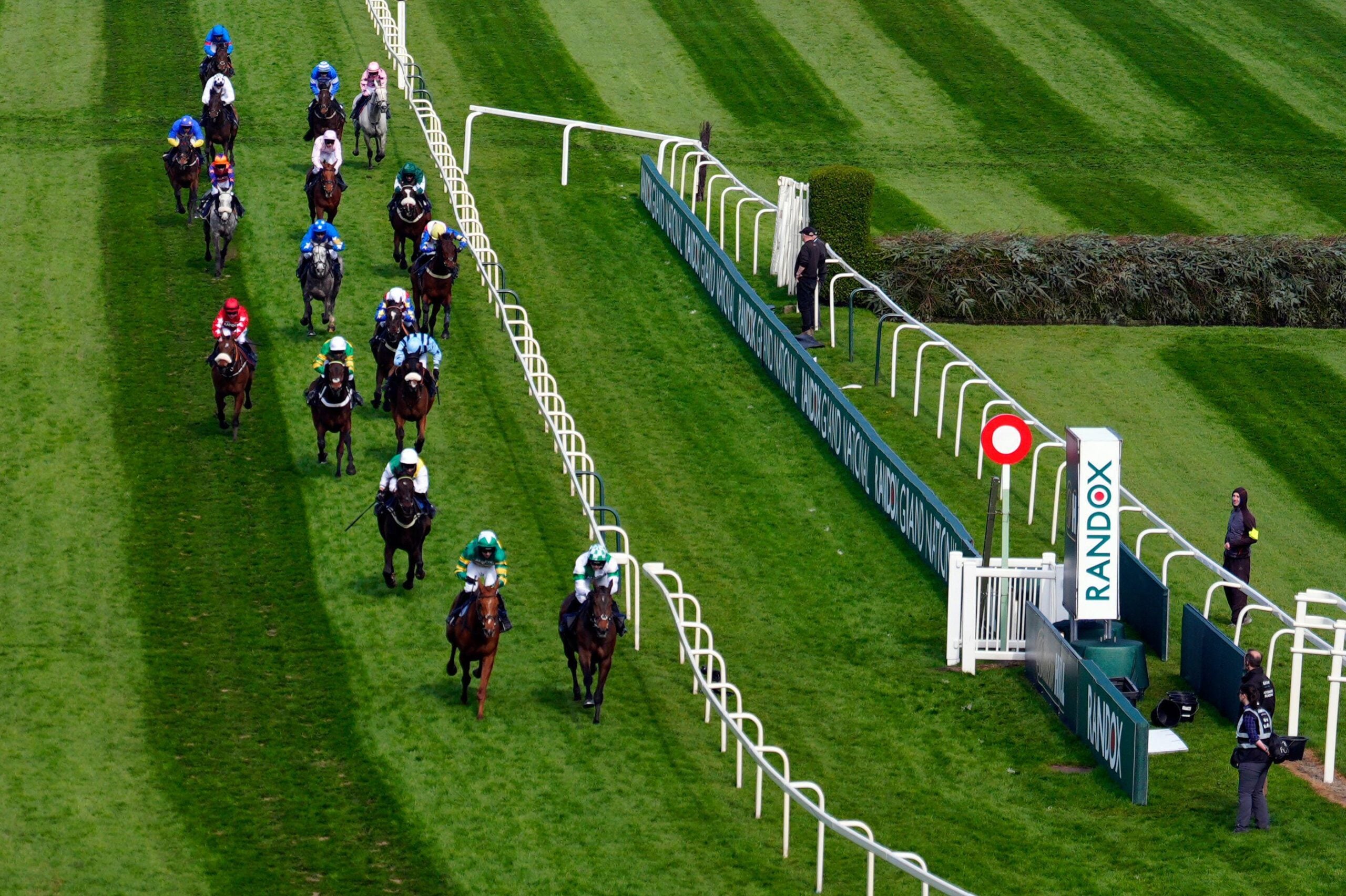
The Grand National is just over a week away, with 34 runners set for the world’s most famous horse race.
Despite its popularity, the race is a handicap seeing each horse carrying different weights relative to their ability.
Let’s dive into why a horse’s weight and handicap mark matters in the Grand National and how the handicap system works.
The handicapping system
The most common type of race in British racing is handicaps. This allows horses of widely varying abilities to compete against one another on what is considered a level playing field.
Whilst high level pattern contests often create enthralling contests, it’s not just the most elite horses that produce exciting races but lower level runners as well.
This form provides an opportunity for those horses to win prestigious contests, as it allows those of lesser ability to take on top horses with a greater chance of success.
How does a handicap rating work?
In horse racing, a handicap mark is a numerical rating set by an official handicapper that reflects a horse’s ability, and it determines how much weight the horse must carry in a handicap race to level the playing field.
The higher the mark, the more weight the horse is assigned, making it harder for better horses to dominate weaker ones.
For example, if Horse A has a handicap mark of 100 and Horse B is rated 90, Horse A might be required to carry 10 pounds more than Horse B in the same race. If Horse A carries 10 stone, Horse B would carry 9 stone 4 lbs, giving the lower-rated horse a weight advantage to offset the supposed difference in ability.
After each race, the handicapper may adjust these marks based on performance, raising a horse’s rating if it wins or runs well or lowering it if it performs poorly, so the system constantly evolves to keep races competitive.
Grand National weights
In the Grand National, a horse’s handicap weight matters because of the race’s extreme distance and stamina test, but recent renewals have shown that simply carrying a low weight isn’t the key advantage it once seemed.
Instead, success has often come from higher-rated horses carrying top weight who have a clear class edge over the field. What really matters is how well a horse is treated relative to its handicap mark, essentially, how much it has “in hand.”
A top-weighted horse rated 165, for example, might still be favourably handicapped if its true ability is closer to 170 or above, meaning it’s effectively better than its mark suggests and can defy the extra burden.
Conversely, a lower-weighted horse might look well weighted carrying 10 stone but struggle if it’s already fully exposed and running right up to its mark. In this way, the modern trend in the Grand National highlights that it’s not just the weight a horse carries, but whether its handicap mark underestimates its true ability, allowing classier runners to overcome big weights and still perform strongly.
More Grand National News & Tips At William Hill
- Promotional Betting Offers For 2026 Grand National
- The Biggest Liabilities After Grand National Weights
- Topham Chase & Foxhunters Chase Ante-Post Tips
- William Hill Now NRMB On The 2026 Grand National
- Grand National Antepost Tips Following Latest Scratchings
- How Many Times Has Nicky Henderson Won The National?
- What Is The Average SP For A Grand National Winner?
- How Many Grey Horses Have Won The Grand National?
- Gavin Cromwell’s Irish Grand National and Aintree Grand National Runners
- Five Each Way Fancies for the 2026 Grand National
- How Much Alcohol Is Sold and Consumed At The Grand National?
- How Often Do Favourites Win The Grand National?
- Dress Code and Fashion at Aintree’s Grand National Meeting
- Britain vs Ireland: Who Will Win This Year’s Race?
- How Much Money Is Bet On The Grand National