Sport
World Cup 2026 Food: What Will Supporters Eat At The 16 Host Cities?
As the first World Cup to unite the United States, Mexico, and Canada, 2026 promises a festival of football and food, with William Hill News looking at the culinary options and famous foods from each region.
Three countries. Sixteen cities. One global tournament, and a culinary crossroads waiting to be explored. Forget the old question of who will lift the trophy; this is the year when stadium food is just as unforgettable as the final whistle.
The scale is epic: from smoky Texas brisket to the tang of tomatillo salsa in Mexico, and the savoury comfort of Canadian poutine, the World Cup 2026 food guide reads like a passport through three food-loving nations.
Fans hungry for more than goals will discover that the true drama sometimes happens not in the stands, but at the concession stands and food trucks just outside. Here’s a host city food guide to what to eat at World Cup 2026, on and off the pitch.
Mexico — Tacos, Tortas & Tequila
If football is heart, Mexican stadiums are the pulse. Estadio Azteca in Mexico City offers a street food symphony: tacos al pastor sizzling on the griddles outside, with tortillas soft enough to make you forget the match.
Guadalajara’s birria tacos deliver their own spicy counterpoint, while Monterrey’s carne asada claims centre stage for local fans.
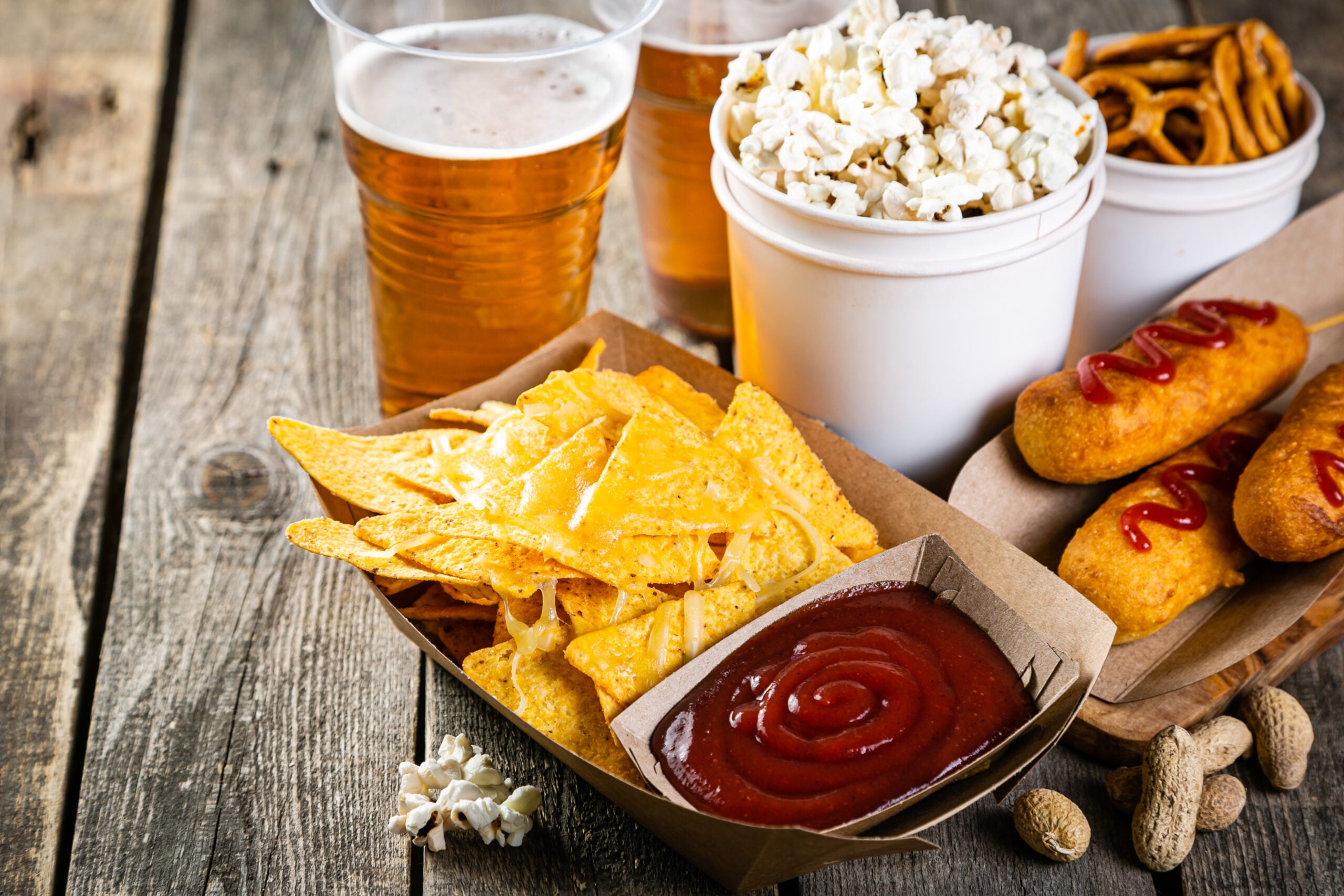
Within the grounds, expect stadium classics—nachos, elotes (grilled corn with creamy toppings), and sweet churros.
Prices are expected to range from £2 for street-side tacos to £6–8 for premium stadium platters. For the adventurous, Mexico’s tortas (overstuffed sandwiches) and a shot of local tequila capture the city’s bold spirit.
Curious travellers should seek out tlayudas in Oaxaca-style stalls or sample homemade salsas from stadium vendors—a food experience as thrilling as a last-minute goal.
USA — Hot Dogs, Wings & Stadium Excess
Eleven cities, each with its own culinary glory. New York’s stadiums trade in giant pizza slices, while Philadelphia’s signature cheesesteaks melt into memory after just one bite.
In Texas, barbecue reigns supreme: brisket sandwiches smoked for hours, ribs glazed with molasses, and football-sized turkey legs.
Miami’s Cuban sandwiches and pastelitos add a tropical rhythm, Boston serves clam chowder in edible bread bowls, and Seattle’s sushi bars prove stadium food can be fresh and daring.
Stadium pricing can leave UK fans wide-eyed: a classic hot dog may go for £7–9, while craft beer pours at £10 or more, often outpacing the average Premier League matchday spend.
But the showmanship and variety—loaded nachos, fried chicken wings, churros, and vegan burgers—make it a spectacle all its own. LA’s Mexican-inspired stadium fare and Atlanta’s soul food stands ensure there’s something for every taste.
Canada — Poutine, Craft Beer & Maple Everything
Toronto and Vancouver bring fusion energy to the World Cup stadium food scene. Poutine—the classic blend of fries, cheese curds, and gravy—arrives in countless variations: topped with smoked brisket, spicy kimchi, or even lobster for a coastal twist.
Canadian craft beers, celebrated for their hoppy complexity, flow from taps beside maple-glazed doughnuts and peameal bacon sandwiches.
Vancouver’s stadiums blend Pacific seafood with international influences; sushi burritos might share space with pulled pork sliders.
Toronto’s multicultural neighbourhoods are expected to filter into the stands, so fans can sample everything from Jamaican patties to butter chicken poutine. This is the spirit of Canada: diverse, welcoming, and always ready for another round.
World Cup Food by Numbers
The numbers are as audacious as a Panenka penalty: projections suggest over five million hot dogs, enough to create a line from Los Angeles to Boston.
Tacos? Enough to fill the pitch at Wembley a dozen times over. North America’s beer consumption could fill an Olympic swimming pool—twenty times.
Poutine towers, if stacked, might rival Toronto’s CN Tower for height, while nacho cheese could flood Vancouver’s English Bay with every goal scored.
How Stadium Food Compares to Premier League Grounds
- Burger: World Cup 2026 average £12, Premier League £7
- Beer (pint): World Cup £10, Premier League £6
- Pie: World Cup £7, Premier League £4
- Soft drink: World Cup £4, Premier League £2.50
Fan Zones — Where to Eat Outside the Stadiums
In Mexico City, food trucks offer quick tacos and tamales, while in Toronto, open-air night markets serve fusion snacks into the evening.
Houston’s beer gardens host barbecue pop-ups, and LA’s food truck culture means you might taste half a dozen cuisines within a single block.
For those seeking local colour and camaraderie, the fan zones are a must-visit part of the host city food guide—sometimes the best meal of the trip happens nowhere near the pitch.
World Cup Food FAQs
What food is served at World Cup 2026 stadiums?
A mix of local specialities and global stadium classics: tacos, hot dogs, cheesesteaks, barbecue, poutine, churros, craft beer, and vegan options.
How much does food cost at World Cup 2026?
Expect stadium prices to range from £6–15 for main items like burgers or hot dogs, and £10+ for craft beer, which is higher than most UK stadiums.
What are the best host cities for food at World Cup 2026?
Food lovers should prioritise Mexico City, Los Angeles, Toronto, Houston, and Miami, each offering vibrant, diverse food scenes on and off matchdays.
Can you drink alcohol at World Cup 2026 stadiums?
Yes, most stadiums in the US and Canada serve alcohol, with craft and mainstream beer options. Mexico’s stadiums largely do as well, but check local rules.
What is the local food in each World Cup 2026 host country?
Mexico: tacos, tortas, elote; USA: hot dogs, cheesesteaks, barbecue, pizza; Canada: poutine, peameal bacon, maple desserts, and craft beer.