Betting Guides
How to Bet on UK Politics
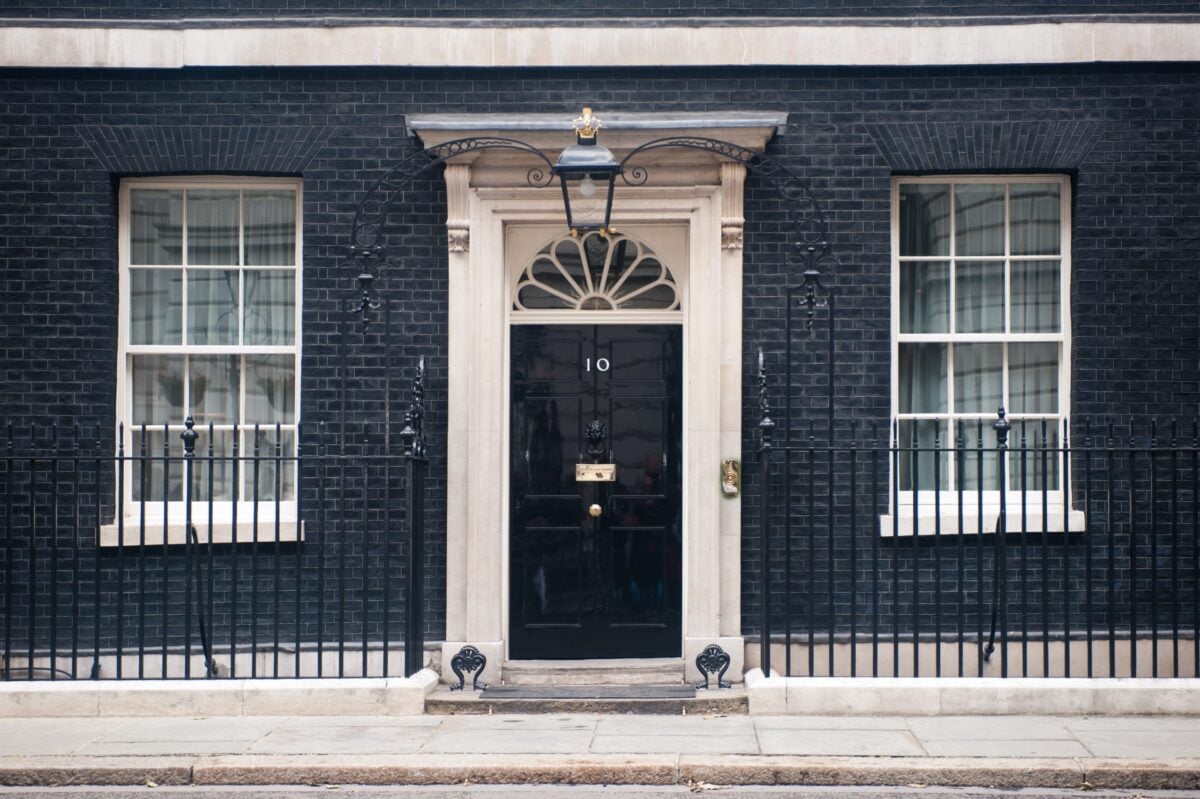
Political betting allows UK adults to place wagers on clearly defined political events, such as elections, leadership contests or parliamentary outcomes. This beginner’s guide explains how UK politics betting works, the types of markets available, how odds are interpreted and how to place a bet with William Hill. All examples use hypothetical parties and prices so the guide remains relevant between elections.
UK politics markets explained
UK politics betting covers several types of markets, depending on availability. Common examples include most seats, overall majority, constituency or by‑election winner, next Prime Minister, and party leadership contests. In a most seats market, the winning party is simply the one projected to secure the largest number of seats — which does not necessarily mean winning more than half. An overall majority requires one party to pass the threshold for forming a majority government. A hung Parliament means no party reaches that total. A next Prime Minister market focuses on who will hold the office after the specified event.
How political odds work
Political betting odds show how the market prices a particular outcome. A hypothetical £5 cash single at 3/1 would return £20 if it wins, comprising £15 profit plus the £5 stake. These odds imply a 25% chance before considering bookmaker margin, which means they are not an objective measurement of the true likelihood. Political prices reflect market assessments and should not be read as opinion‑poll percentages or guarantees of the result.
How to place a politics bet
To place a UK politics bet, sign in to your William Hill account and open the Politics category. Choose the election or event, read the full market title carefully and select an outcome. William Hill’s UK politics rules specify singles only, so political accumulators should not be treated as a standard option. Review the bet slip, check the accepted price and confirm any time limit before placing your wager.
What information should readers consider?
When assessing a political market, look at reputable polling, constituency‑level evidence, candidate announcements, previous results and public campaign developments. Polling should be read with its fieldwork dates and sampling uncertainty in mind, and national vote share does not translate directly into a seat total. Keep personal political preferences separate from an assessment of the likely outcome. Odds movements can reflect changing market sentiment, but they do not prove that new information is correct.
Settlement rules to check
Political bets are settled according to the precise market rules, which define the winning outcome and when settlement takes place. Check how ties are handled, what happens if a candidate withdraws, and whether the event is tied to a specific date. A withdrawal does not automatically void a bet, and not all election markets settle on early media projections.
Closing guidance
Readers can view current UK politics markets on the William Hill sportsbook and follow coverage on William Hill News. Set limits before betting and play responsibly. 18+ | GambleAware.org
FAQ
Is most seats the same as an overall majority?
No — they measure different outcomes. Most seats simply means the party projected to win the largest number of seats, even if that total is below half of the House of Commons. An overall majority requires one party to win more than half of all seats, allowing it to form a majority government. A party can win most seats without securing an overall majority, resulting in a hung Parliament.