Golf
How Many Dimples Are On A Golf Ball?
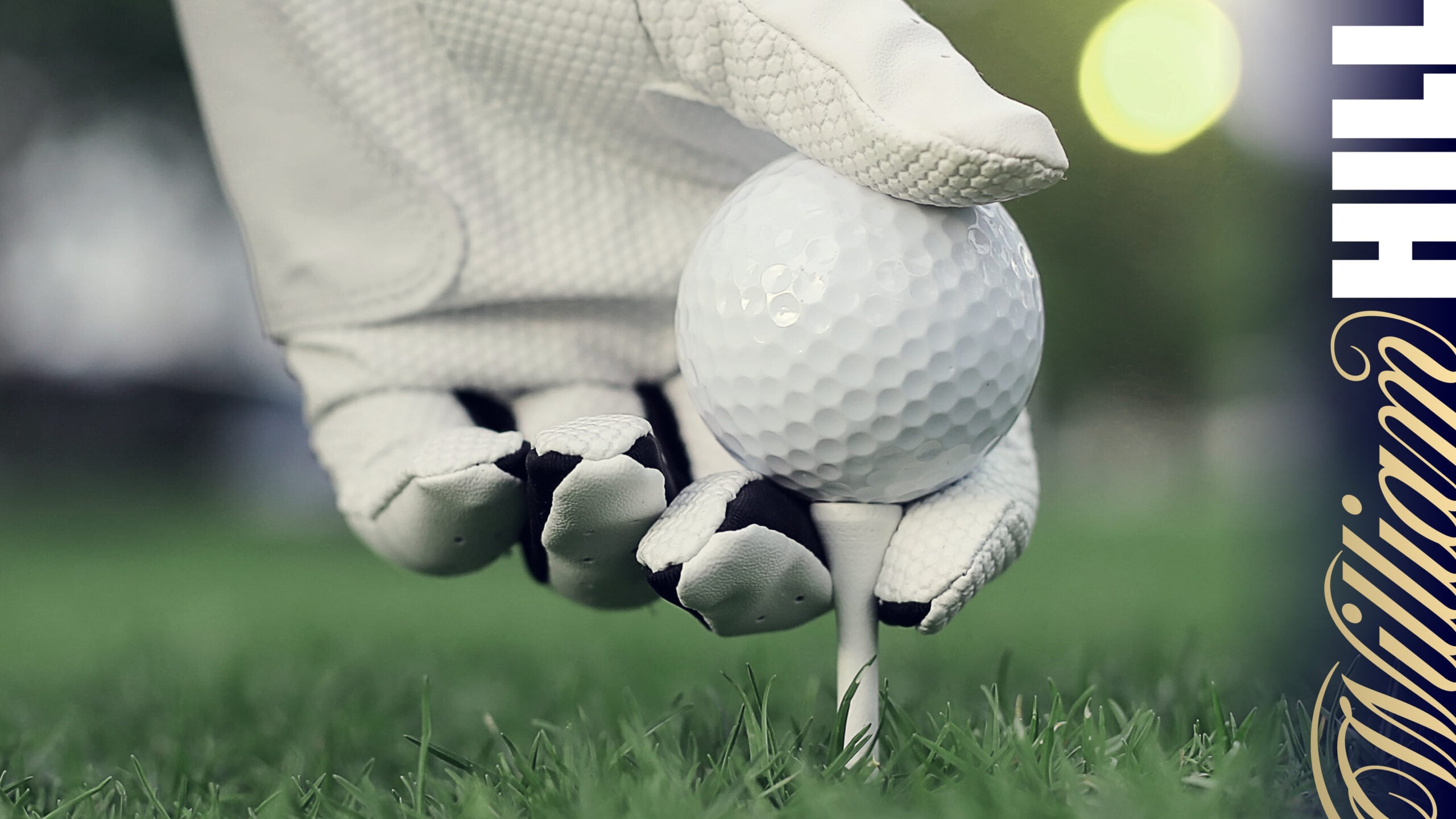


Golf ball dimples are one of those tiny details that make a huge difference once the ball leaves the clubface. The short answer is that there is no single fixed number, but most modern golf balls carry somewhere in the 300 to 500 range.
That means the exact dimples of a golf ball can vary from model to model, even in professional play, and players usually stick with the ball they know best rather than chasing a specific count.
Even though each player can pick golf balls with different dimple counts, the designated list of approved balls means this choice doesn’t usually impact the golf betting tips this week.
How Many Dimples On A Golf Ball In Professional Competitions?
Most modern golf balls have about 300 to 500 dimples, and some designs sit outside that range because manufacturers use different patterns to shape flight and feel. One widely cited modern tour ball uses 388 dimples, while other major brands use different layouts to suit launch, spin, and drag goals.
That variation is normal because the rules do not force every ball to share the same dimple count. The dimples of a golf ball are part of the design process, so manufacturers can build different patterns as long as the ball still conforms to the equipment rules.
Why Does The Number Of Dimples On A Golf Ball Matter?
Golf ball dimples help the ball stay in the air longer by changing how air moves around it. A dimpled surface creates less drag than a smooth one, which helps the ball travel farther and more cleanly through the air.
The pattern also affects lift, spin rate, and how the ball behaves in the wind. Backspin helps create lift, while the dimple design helps control how that spin interacts with the airflow. That is why golf ball dimples matter on windy days, on approach shots, and on any strike where the player wants the ball to carry and stop with more control.
Different dimple patterns can also influence direction. A well-designed ball can help reduce unwanted sidespin and keep the flight more stable, although the golfer’s swing still matters far more than the surface pattern alone.
Professional Golf Ball Rules
A regulation golf ball must meet strict rules for size, weight, symmetry, velocity, and total distance. The ball may not weigh more than 1.620 ounces and must have a diameter of at least 1.680 inches. It also has to pass testing that checks how it performs and whether it stays within the approved limits.
The rules do not directly set a required number for the dimples of a golf ball, but they do demand symmetry and conformity. That indirectly shapes dimple design, because manufacturers have to build a ball that performs within the approved standards.
The same framework also explains the old split between the approved British golf ball and the American golf ball, which used to differ in size before the standards were brought into line.
Do Golf Ball Dimples Affect Betting?
Golf betting usually comes down to form, course fit, and how a player handles the conditions rather than the exact number of dimples on the ball. Players may use different models with different dimple counts, but they generally use the ball they trust most, and that familiarity matters more than the technical layout.
That is why golf betting is rarely shaped by dimple count alone. The more useful question is whether a player knows how to control spin, flight, and distance with their chosen ball on that week’s course. If a golfer has years of experience with one setup, that comfort can matter far more than the exact dimples of a golf ball.
For anyone checking golf betting tips this week, the smarter angle is usually player consistency, weather, and course history rather than obsessing over ball aesthetics. The approved list of balls levels out the field, so the betting focus stays on execution, not equipment quirks.
Golf Ball Dimples FAQs
How many dimples are on a professional golf ball?
A professional golf ball usually has between 300 and 500 dimples, although the exact number depends on the model.
Do players in the same tournament have to use the same golf balls?
No, players can use different approved models as long as the balls conform to the equipment rules and appear on the approved list.
What’s the difference between a British and an American golf ball?
Historically, the approved British golf ball was slightly smaller than the American golf ball, but the modern rules now require a single conforming size standard.
What are golf balls made of?
Modern golf balls are usually made with layered cores and covers using materials such as synthetic resins and urethane blends, built to meet performance and durability standards.