Horse Racing Tips
Is There A Draw Bias At York Racecourse?
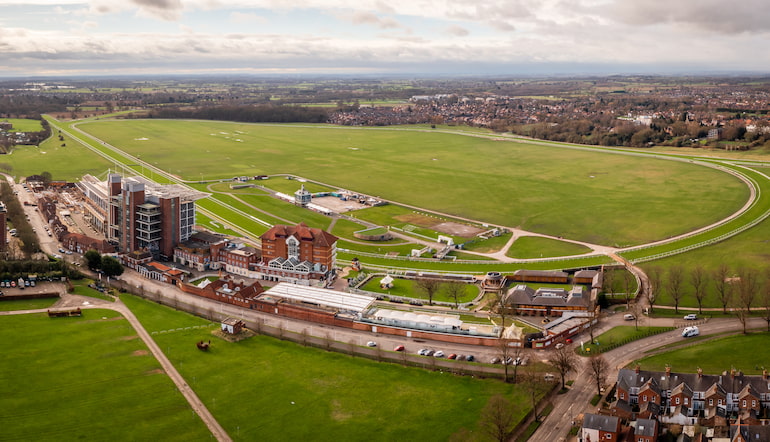
York is one of the fairest-looking Flat tracks in Britain, but fairness does not mean total neutrality and William Hill News look at the facts and figures relating to draw bias on the Knavesmire.
The straight five and six furlong course, the seven-furlong dogleg start, and the round-course mile all play differently, so the right answer depends on distance, field size, and ground.
Track Shape & Course Configuration
York sits on the Knavesmire and has raced there since 1731. The course is flat, with a long run-in and sweeping turns, which is why it has a reputation for being kind to every running style.
That reputation holds up reasonably well, but the track still creates distance-specific patterns, especially when the field is large and the pace is strong.
Five and six furlong races are run on the straight course, while seven furlongs begins from a chute and then joins the home bend. Races from a mile and beyond use the round course, where low draws can matter more because of the early turns and the need to avoid extra ground.
Draw Bias Data For Sprint Races
The clearest sign of a draw edge comes at five furlongs. One long-term study of 8-plus runner handicaps found a modest low-draw bias overall, with the effect becoming stronger when the field is bigger.
The same study also found that soft ground could tilt things slightly higher, which is a useful reminder that York’s sprint bias is not fixed in stone.
A separate course guide says the straight five and six furlong races tend to be run down the middle, away from either rail, which helps explain why the draw is often less dramatic here than at some tighter tracks.
Even so, the recent five-furlong data points to lower stalls having the better of it, especially when the pace is honest enough for track position to matter.
At six furlongs, the picture is even more interesting. The long-term data looked fairly balanced, but the more recent sample showed a much stronger low-draw angle, with high draws struggling more noticeably.
That is the sort of split punters should respect, because York’s sprint biases have been known to sharpen over time rather than stay perfectly stable.
Why Pace Matters At York
York’s straight sprint races can reward horses that break sharply and sit handy. The pace analysis for five and six furlongs showed a clear edge for front-runners, with the six-furlong pace advantage described as especially strong.
That creates a powerful combination: low draw plus early speed is often the best profile to have. The practical takeaway is simple. At York, a low stall is helpful in sprints, but it becomes much more valuable when the horse can use it early.
A horse drawn low that misses the break can waste the advantage, while one drawn high may need both luck and pace to get into the right position before the race settles.
Is There A Draw Bias At 7f?
Seven furlongs is the one trip where York looks much less hostile to the middle of the draw. The study found the overall win percentages were fairly even, with middle stalls arguably doing best and lower draws not quite showing the same edge as over shorter trips.
That makes sense at a distance that starts from a chute and then turns into the bend rather than being a racecourse with a pure straight sprint.
High draws, though, are not where most bettors want to be in bigger fields. The same analysis noted that the very highest stalls performed poorly in 7f handicaps, and that caution around wide berths was sensible even in a fairly level draw environment.
In other words, the seven-furlong trip does not scream bias, but it still punishes the outermost stalls when the race is competitive.
Draw Bias For Mile Races
York’s mile handicaps are the distance where the inside matters most clearly. One detailed breakdown found a strong low-draw bias, with middle draws next best and high draws at a disadvantage.
The shape of the course explains plenty of that, because horses can lose ground quickly if they are stuck wide early and then forced to cover extra around the bends.
That same study showed the low-draw advantage was still present in more recent data and was strongest on good or softer going, rather than on the quickest ground.
For bettors, that means the mile at York is not just about class and form. It is also about whether the horse can secure position without doing too much work to get there.
Is There A Draw Bias At York?
York is not a one-note track. It is fairer than many courses, especially on the straight sprint trips, but the evidence still points to a real bias in the right places.
The strongest angles are low draws at five and six furlongs, with pace making that advantage much more potent, and low to middle draws at the mile.
Seven furlongs looks the most balanced of the main handicapping trips, although wide stalls still deserve respect for all the wrong reasons.
If you are reading York closely, the best approach is not to ask whether the course has a universal bias. It is to ask which trip, which field size, and which running style are in play.
That is the kind of detail that can save a bet from looking clever on paper and doing nothing in practice. If you are checking a York race, start with the draw, then ask whether the horse can actually use it.
*Odds subject to change – prices accurate at the time of writing*