Horse Racing Tips
Jockey Colours and Silks: How Do Racehorse Owners Choose?
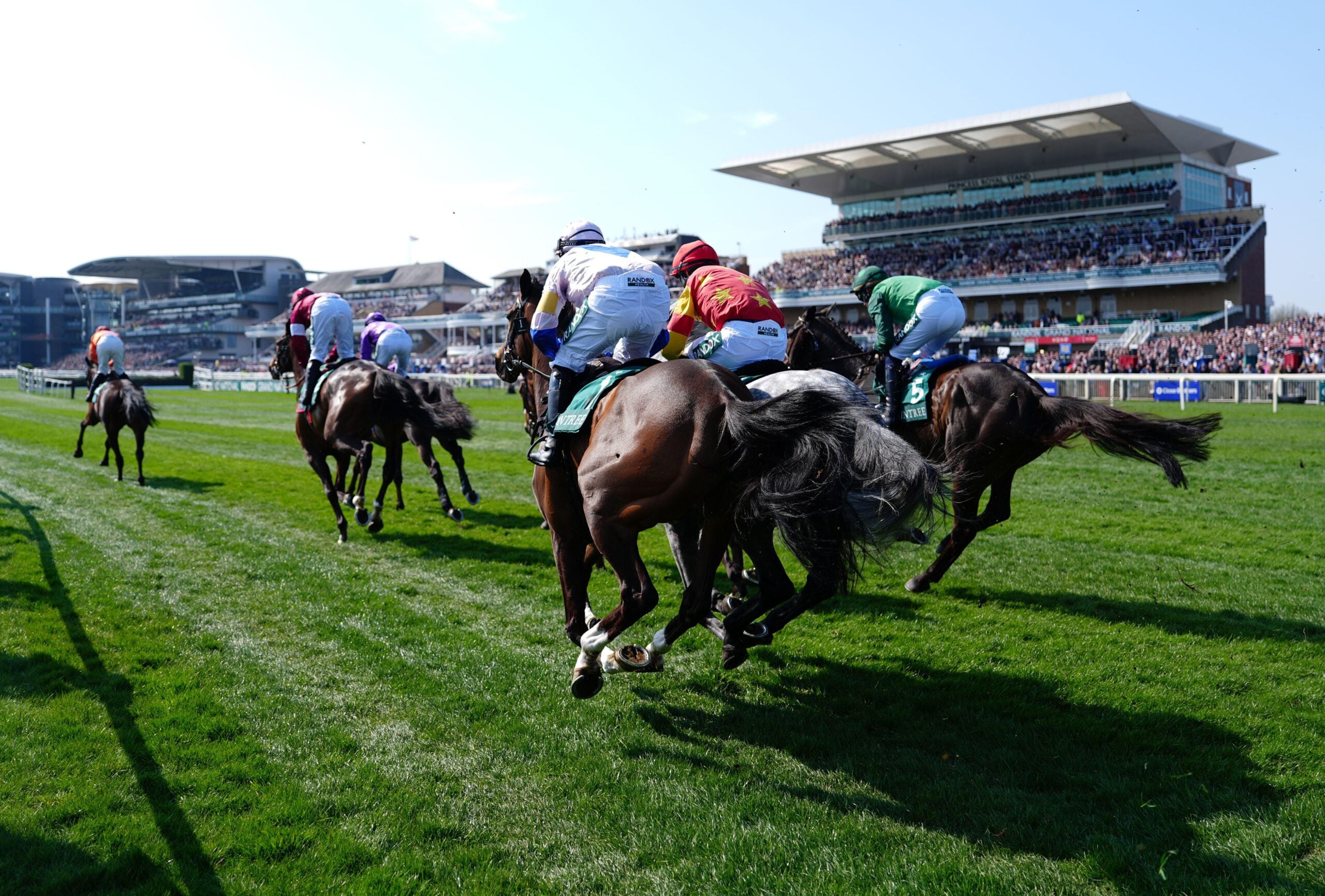
In the thunder and colour of a racing finish, it is not just the hooves and heart that capture history, but the silks shimmering across the line.
With every flash of green and gold or bold splash of royal blue, the tradition of jockey silks transforms each race into a battle of legacy and identity – a spectacle that William Hill’s history is woven through.
Since the 18th century, racing silks have stood as more than mere uniforms. For owners, colours in horse racing are a badge of honour, heritage, and ambition.
These vibrant patterns originated to prevent confusion on the track, but they soon grew into distinctive trademarks. Today, the world of jockey silks is a landscape of narrative – where family lines, historic victories, and even marketing strategies are stitched together in every set.
The History Behind Racehorse Ownership Colours
The British Horseracing Authority governs over 26,000 unique combinations of jockey silks, reflecting a tradition that is both ancient and continuously evolving. Designs range from bold stripes and hoops to diamonds and stars, each chosen for visibility and symbolism.
Many believe that bright colours like red or yellow can energise both horse and rider, while softer tones add a touch of elegance, though science gives little away on their true effect.
The selection and registration of silks is often the first milestone in horse racing ownership, with bespoke designs costing owners upwards of £5,000, and vintage sets carrying the weight of history and sometimes fetching five figures at auction.
How Owners Choose Their Colours
Selecting racing colours is a blend of personal expression and strict legal requirement. The owner chooses the palette and pattern, sometimes inspired by family tradition, sometimes by a desire for instant recognition in the crowd.
Once registered, these silks become protected trademarks, their exclusivity lasting ten years before renewal is needed. In practice, no two owners may use the same design, ensuring that every finish is a tapestry of unique identities.
For those seeking a piece of history, vintage colours, unused for five years, can be purchased, often supporting charitable causes within the sport.
The Most Famous Racing Silks and Owners in History
Some racing silks have become icons in their own right, their colours etched into the memory of great races:
- Her Majesty Queen Elizabeth II: Purple, scarlet with gold braiding
- JP McManus: Green with gold hoops
- Prince Khalid Abdullah (Juddmonte): Green and white, pink sash
- Ricci Family: Baby pink with bright green spots
- Godolphin: Royal blue
- Coolmore (Magnier): Dark blue
- Shadwell Racing: Blue with white epaulettes
- Trevor Hemmings: Yellow, emerald green, white checks
- Gigginstown House Stud: Burgundy with white star and stripes
- Secretariat (Penny Chenery): Blue and white checks
Each of these owner colours is more than a design; it is the signature of a horse racing dynasty, instantly recognisable whether charging up the Cheltenham hill or dominating the Grand National.
Branding, Legal Rights, and Legacy
Beyond their visual drama, jockey silks play a functional role in the economic ecosystem of the sport. They underpin branding efforts, legal rights, and even betting decisions, as fans and punters alike scan the field for their favourites.
The British model for registering silks has inspired global standards, helping to maintain continuity at the heart of international competition. Every set of silks, whether humble or historic, represents a fusion of personal ambition and the centuries-old tradition that gives horse racing its pageantry and prestige.
More Grand National News & Tips At William Hill
- Promotional Betting Offers For 2026 Grand National
- The Biggest Liabilities After Grand National Weights
- Topham Chase & Foxhunters Chase Ante-Post Tips
- William Hill Now NRMB On The 2026 Grand National
- Grand National Antepost Tips Following Latest Scratchings
- How Many Times Has Nicky Henderson Won The National?
- What Is The Average SP For A Grand National Winner?
- How Many Grey Horses Have Won The Grand National?
- Gavin Cromwell’s Irish Grand National and Aintree Grand National Runners
- Five Each Way Fancies for the 2026 Grand National
- How Much Alcohol Is Sold and Consumed At The Grand National?
- How Often Do Favourites Win The Grand National?
- Dress Code and Fashion at Aintree’s Grand National Meeting
- Britain vs Ireland: Who Will Win This Year’s Race?
- How Much Money Is Bet On The Grand National
- The Most Successful Horses In Grand National History
- Winning Boost on Horse Racing Bet Builders
- Why Does A Horse’s Weight Matter In The Grand National?