Cricket
The Batsmen To Have Hit Six Sixes In An Over
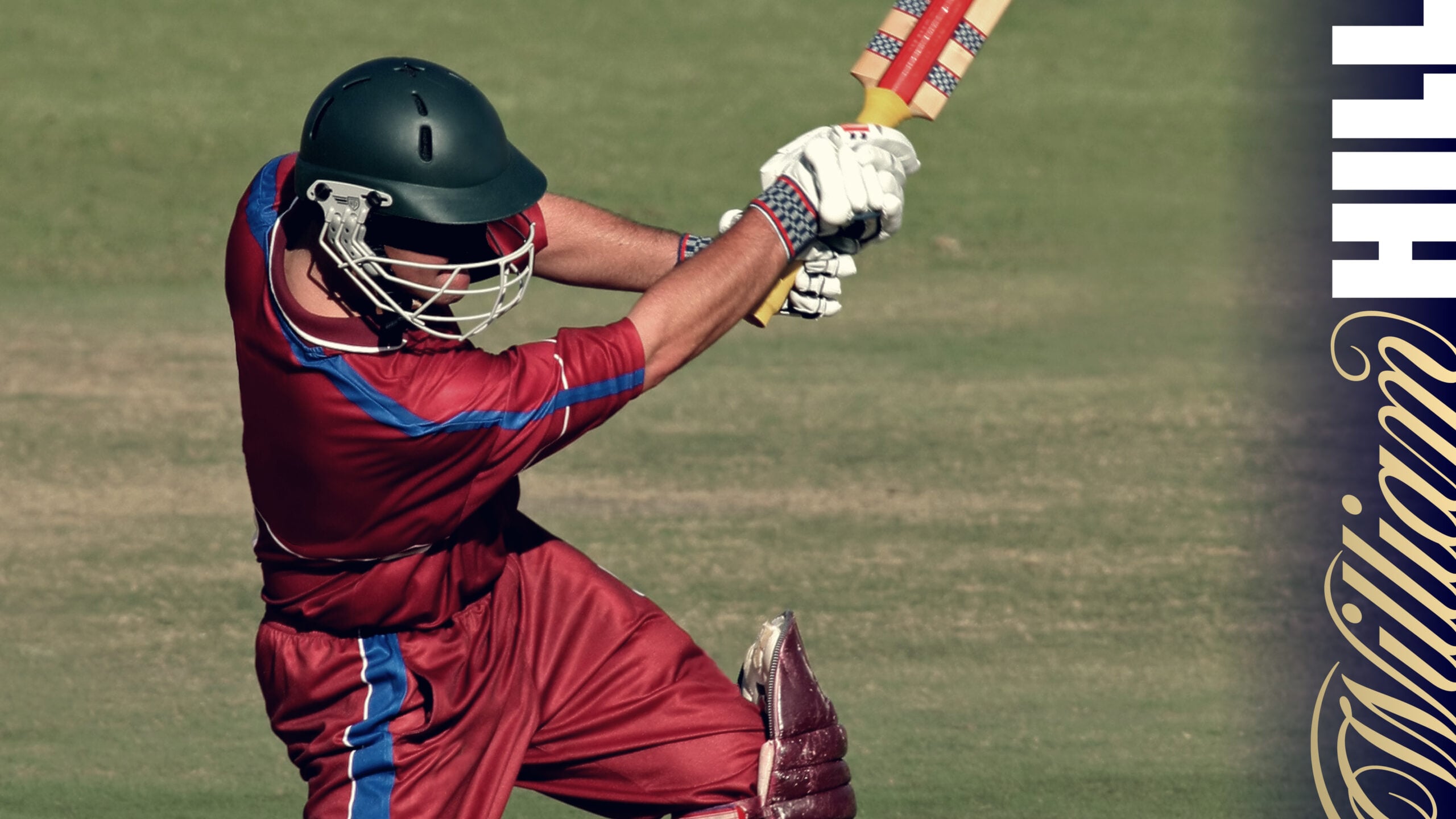
A total of 13 cricketers have recorded six sixes in an over in the history of top class cricket. The first to do so was Sir Garfield Sobers in 1968. The most recent entry is Kushal Bhurtel in June 2026.
It is the sort of moment that makes a crowd go properly silent for a second, because six sixes in an over is cricket stripped down to pure timing, nerve, and brute force. There isn’t room for error, nor is there a hiding place for the bowler.
Full list of cricketers with six sixes in an over
The club is small, but it stretches across eras, formats, and continents. Some entries came in first-class cricket, others in limited-overs matches; yet, you may note the relative lack of superstar modern batsmen who’d regularly be backed for high run scores in cricket betting lines.
Either way, the latest names show how in cricket, six sixes has become a realistic dream for more batters built to attack from ball one. Yet
- Sir Garfield Sobers – 1968 – Nottinghamshire vs Glamorgan
- Ravi Shastri – 1985 – Bombay vs Baroda
- Herschelle Gibbs – 2007 – South Africa vs Netherlands
- Yuvraj Singh – 2007 – India vs England
- Ross Whiteley – 2017 – Worcestershire vs Yorkshire
- Hazratullah Zazai – 2018 – Kabul Zwanan vs Balkh Legends
- Leo Carter – 2020 – Canterbury vs Northern Knights
- Kieron Pollard – 2021 – West Indies vs Sri Lanka
- Thisara Perera – 2021 – Sri Lanka Army Sports Club vs Bloomfield
- Dipendra Singh Airee – 2024 – Nepal vs Qatar
- Darius Visser – 2024 – Samoa vs Vanuatu
- Manan Bashir – 2025 – Bulgaria vs Gibraltar
- Kushal Bhurtel – 2026 – Nepal vs China
Sir Garfield Sobers (1968)
Sir Garfield Sobers was already a West Indies great when he became the first player to clear the fence six times in one over for Nottinghamshire against Glamorgan in 1968.
Malcolm Nash was the bowler, and the knock became the original benchmark for a perfect over for the batsman, a feat that still carries the same shock value decades later.
Ravi Shastri (1985)
Ravi Shastri, better known for control and assurance than fireworks, joined the club for Bombay against Baroda in 1985, taking left-arm spinner Tilak Raj for 36 in six balls.
His effort mattered because it showed six sixes in cricket was not just a West Indian power-hitting story; it had become possible in the Indian domestic game too.
Herschelle Gibbs (2007)
Herschelle Gibbs brought fearless stroke play to South Africa’s middle order, and he put Daan van Bunge of the Netherlands under severe pressure at the 2007 World Cup.
He became the first player to do it in an ODI, which gave the record a bigger audience and proved an over with six sixes hit could happen on cricket’s biggest stage.
Yuvraj Singh (2007)
Yuvraj Singh turned a tense India v England T20 World Cup contest into one of cricket’s most replayed highlights, smashing Stuart Broad for six straight sixes in 2007.
It was significant because it was the first T20I instance and because it arrived in a World Cup, making six sixes in an over feel like a defining tournament moment rather than a freak boundary burst.
Ross Whiteley (2017)
Ross Whiteley, a hard-hitting English left-hander, struck Karl Carver for six maximums in a T20 Blast match for Worcestershire against Yorkshire in 2017.
The feat stood out because it came in a domestic T20 game and reinforced how quickly power hitters can flip a contest in the shortest format.
Hazratullah Zazai (2018)
Hazratullah Zazai is one of Afghanistan’s most explosive opening batters, and he dismantled Abdullah Mazari during the Afghanistan Premier League in 2018.
His entry mattered because it showed the record was spreading beyond the biggest nations, a sign of the game’s broader attacking edge.
Leo Carter (2020)
Leo Carter of Canterbury reached the six sixes in an over milestone against Northern Knights in New Zealand’s Super Smash in 2020.
He finished unbeaten on 70 from 29 balls, and the innings underlined how quickly a T20 game can be turned by one batter in full flow.
Kieron Pollard (2021)
Kieron Pollard, one of West Indies cricket’s great white-ball hitters, clattered Akila Dananjaya for six sixes in a T20I against Sri Lanka in 2021.
The extra layer was the pressure on the bowler, who had taken a hat-trick in the previous over, which made Pollard’s response feel even more brutal.
Thisara Perera (2021)
Thisara Perera, the Sri Lanka all-rounder known for clearing ropes with ease, hit six sixes for Sri Lanka Army Sports Club against Bloomfield in 2021.
He finished with 52 from 13 balls, and the knock mattered because it made him the first Sri Lankan to manage six sixes in an over in professional cricket.
Dipendra Singh Airee (2024)
Dipendra Singh Airee produced Nepal’s breakthrough entry in 2024, smashing Qatar in the ACC Men’s Premier Cup.
He hit six sixes in the 20th over and turned the innings into a statement performance, showing why Nepal’s batting has become a real force in short-format cricket.
Darius Visser (2024)
Darius Visser of Samoa hit six sixes against Vanuatu in a 2026 World Cup regional qualifier, then helped drive Samoa to a record over total of 39 runs.
The significance was simple: the scorecard showed that even associate nations can deliver elite-level power hitting when the format and confidence line up.
Manan Bashir (2025)
Manan Bashir of Bulgaria joined the club against Gibraltar in 2025, adding another associate nation name to the list.
His achievement mattered because it continued the record’s global spread and proved that six sixes in an over is no longer limited to traditional cricket powers.
Kushal Bhurtel (2026)
Kushal Bhurtel made cricket news headlines by becoming the newest of the group in 2026 against China at the Singapore National Cricket Ground.
He struck Chen Zhuo Yue six times in succession in the ninth over and finished with 129 from 43 balls, a reminder that the modern opener is expected to attack from the first over and keep going.
Why six sixes in an over are appearing more often
The rise in short-form cricket has changed how batters think, train and play. The Hundred, T20 leagues, and wider international competition have encouraged more players to swing hard earlier, while the game’s expansion into new countries has brought more fearless hitters into the spotlight.
With coaches now valuing tempo and boundary rate, six sixes in an over is still rare, but it no longer feels untouchable. That shift explains why six sixes in cricket now turns up across a broader range of teams and tournaments.
Batters are more aggressive, fielding restrictions reward intent, and young players grow up watching highlights built around sixes rather than survival. The result is a record that still feels huge, but one that modern cricket keeps nudging closer.