Rugby Union
Rugby Union vs Rugby League: What are the Differences?
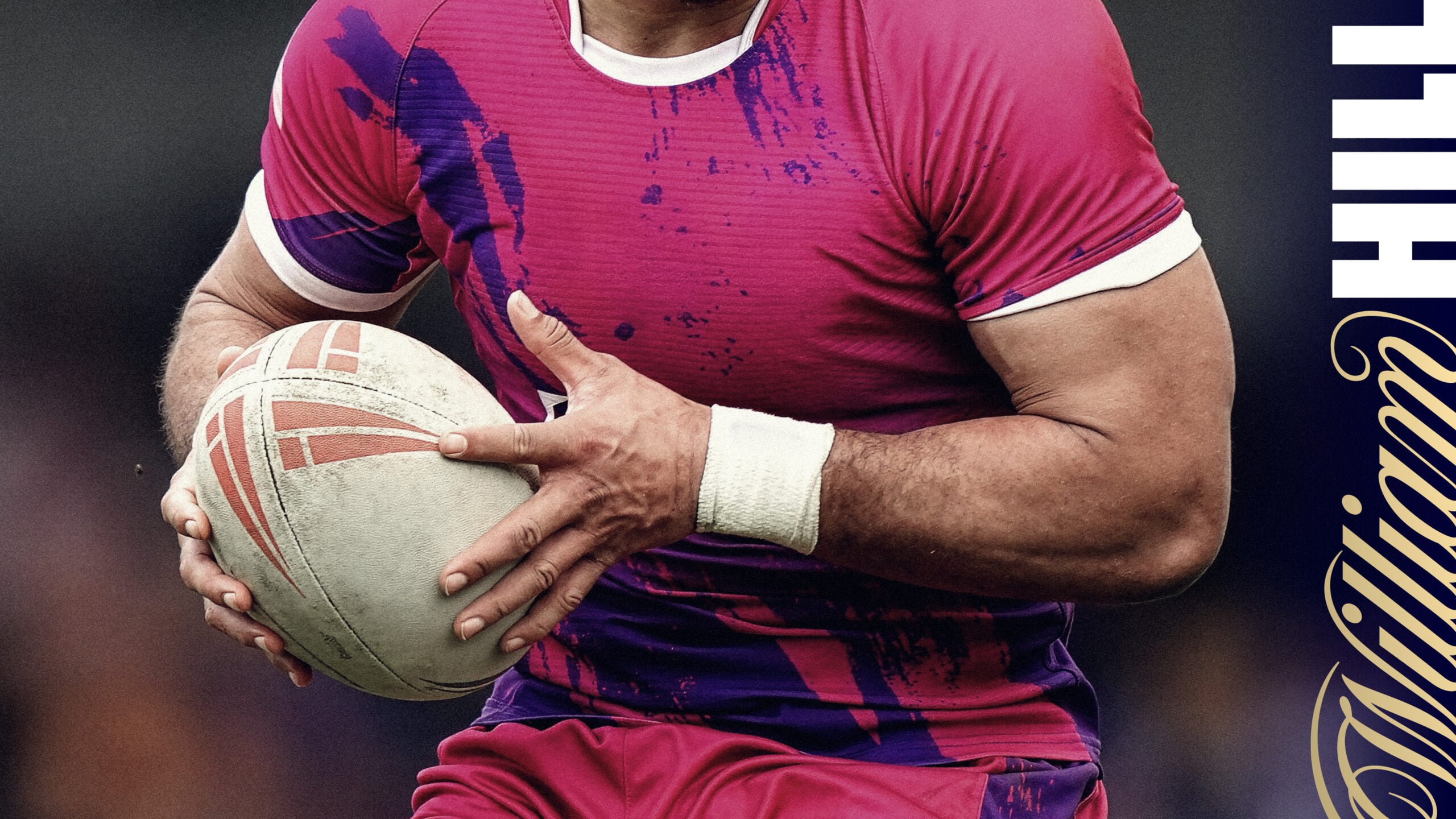
Rugby union and rugby league share the same family tree, but they do not play the same game. The quickest way to tell them apart is by team size, what happens after a tackle, and how points are scored.
Once you know those basics, the differences between rugby union and rugby league become much easier to spot. It’s paramount that bettors know the differences between the rules before engaging with rugby union betting or rugby league betting.
Why are there two rugby codes?
The split goes back to 1895, when 22 northern English clubs broke away from the Rugby Football Union over payments for players who lost wages by taking part.
The breakaway became the Northern Rugby Football Union, which later changed its name to Rugby League in 1922. From that moment, the two sports developed along different paths.
Union kept the traditional structure for longer and stayed amateur until 1995. League moved towards a professional model earlier and reshaped its rules to suit a quicker, more open game. That historical split still explains most of the modern rugby union rules and rugby league rules that fans see today.
Players and match length
Rugby union is played with 15 players per side, usually split into eight forwards and seven backs.
Rugby league uses 13 players per side, with six forwards and seven backs.
Those two missing players make a big difference to space on the field and how teams attack.
Senior matches in both codes last 80 minutes. Union tends to involve more set-piece contests and repeated stoppages, while league usually keeps the ball moving more quickly.
Tackles and possession
This is the biggest difference for most new viewers. In rugby union, a tackle does not automatically end the contest for the ball. The tackled player tries to present it, a ruck forms, and both teams compete on the ground for possession. That means the breakdown becomes a major battleground, with turnovers, penalties and counter-rucking all part of the picture.
In rugby league, a tackle is followed by a much more structured restart. The tackled player gets up, plays the ball back with the foot, and the attacking side keeps possession unless the set is completed.
A team normally gets six tackles before handing the ball over, so every carry has a count attached to it. For a casual viewer, that means league feels more like a set of planned attacking plays, while union is more chaotic around the tackle area.
Union has no fixed tackle limit, so a possession can last through several phases if a team keeps winning the breakdown. League is the opposite: the defence knows exactly how many tackles remain, which changes positioning and last-line pressure. If you are learning the differences between rugby union and rugby league, watch what happens immediately after contact – that tells you which code you are watching.
Scrums and lineouts
Both codes use scrums, but they are not the same contest. In rugby union, scrums are a genuine battle for control, usually involving eight players per side. They matter tactically and can win penalties, territory or a clean platform for attack.
Rugby union also has lineouts, where the ball is thrown in after it goes into touch and players compete in the air. League does not use lineouts at all. Modern professional league scrums are usually uncontested and function mainly as a way to restart play rather than a major source of pressure.
How scoring differs
Scoring is another simple way to separate the two sports. Both codes award two points for a conversion, but the rest of the system is different. Union gives five points for a try, three for a penalty goal and three for a drop goal. League gives four points for a try, two for a penalty goal and one for a drop goal.
The difference in scoring influences strategy. Union tries to balance territorial kicking, set-piece pressure and multi-phase attack. League places more emphasis on building a set, earning field position and finishing before the six tackles run out.
The difference in scoring influences strategy. Union tries to balance territorial kicking, set-piece pressure and multi-phase attack. League places more emphasis on building a set, earning field position and finishing before the six tackles run out.
Major competitions
The best-known union competitions include the Six Nations and the Rugby World Cup. Rugby league’s headline events are Super League in the UK, the NRL in Australia and the Rugby League World Cup. If you are new to the sport, those tournaments are the easiest place to see each code at its highest level.
Conclusion
The simplest way to spot rugby union vs rugby league is to check the player count, the tackle restart and the scoring values. Fifteen versus 13, contested breakdown versus six tackles, five-point try versus four-point try – that is the core of it.