World Cup
World Cup 2026 Weather Guide: What to Expect in Every Host City
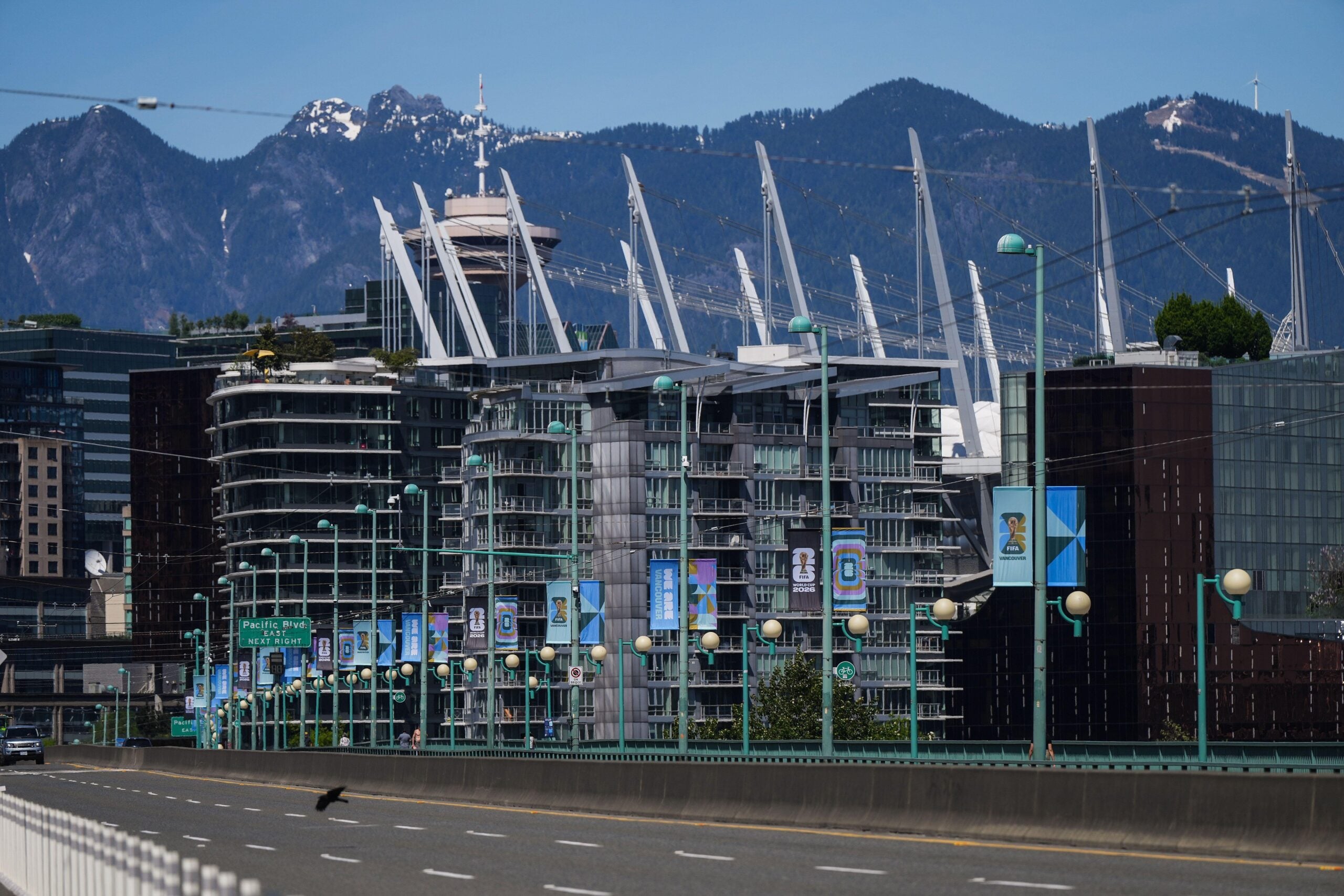
A look ahead to the 2026 World Cup and the expected weather conditions across each host city and country, with William Hill News providing data on expected temperatures and forecasts.
The 2026 World Cup will be staged across 16 cities in three countries, and the weather range is huge, from desert heat to Pacific drizzle.
UK fans used to 15C and rain are in for a proper shock, because this tournament will throw together humidity, altitude, thunderstorms, and coastal fog in one very long summer ride.
Mexico: Altitude, Heat and Afternoon Storms
Mexico’s three host cities give you a real spread, even before kick-off times come into it. Mexico City brings altitude into the mix, Monterrey is the heat monster, and Guadalajara sits right in the path of the rainy season.
Mexico City is the highest-profile altitude test of the tournament, with the city sitting at roughly 2,240 metres above sea level. That thinner air can make matches feel harder to sustain, especially for teams not used to it, and it also changes how quickly players recover between bursts of effort.
Monterrey is the place most closely associated with extreme heat. June and July afternoons there can push into the high 30s C, and the city is one of the venues where dangerous heat stress becomes a genuine concern. Guadalajara is different again: warm, humid, and exposed to summer rain, which can turn the weather from sticky to stormy in a hurry.
USA: From Scorching Dallas to Mild San Francisco
The 11 US venues are where the World Cup 2026 weather really stretches from one extreme to another. Dallas, Houston, Miami and Atlanta are the obvious heat-risk cities, while Seattle, San Francisco, and Los Angeles offer a much softer landing.
Dallas is the standout for pure heat. It is one of the venues most exposed to extreme WBGT, and in the hottest part of the day it can become a brutal place to play or watch football.
Houston and Miami add humidity, which matters because sweat stops working properly when the air already feels wet, and that pushes heat stress far beyond what the thermometer says.
Atlanta is hot and humid too, though the stadium roof helps with conditions inside the venue. Boston, New York, and Philadelphia are not comfort zones, but they are less punishing than the southern venues and can still throw up warm, muggy matchdays. Kansas City sits in storm country, and summer thunderstorms can be a bigger disruption risk than the heat itself.
Pacific Coast Relief
Los Angeles, San Francisco, and Seattle are the most forgiving US stops for visiting fans. San Francisco can sit around 18C with fog rolling in, Seattle is generally mild and rainy, and Los Angeles is more dry heat than suffocating humidity.
Canada: The Comfortable Option
Canada looks like the easiest part of the tournament to manage, especially for fans coming from the UK. Toronto should be warm and humid rather than oppressive, while Vancouver is the closest thing to familiar British weather in the whole competition.
Toronto can still get sticky in midsummer, but it is a long way from the furnace conditions forecast in the southern US and northern Mexico. Vancouver is milder and often damp, which makes it the most UK-like host city at the tournament and a welcome breather if you want a day away from heat stress.
Heat, Cooling Breaks and Kick-off Times
Heat breaks are already part of the tournament plan. FIFA has introduced mandatory three-minute cooling breaks in each half of every match, and that is backed by wider concern that some venues could reach levels where hydration and recovery need to be taken seriously.
WBGT matters more than simple air temperature. Once the index gets above 26C, cooling and hydration interventions are recommended, and at 28C the conditions are considered too risky for normal play by Fifpro guidance.
That is why evening kick-offs are being used more often in the hottest markets, while roofed stadiums in places like Dallas and Houston provide some protection from direct conditions inside the ground.
Teams that are used to heat and humidity should cope better than sides arriving from cooler climates, but the schedule can still flatten the advantage. Afternoon games in Miami, Dallas, Houston, Kansas City, and Monterrey are the fixtures most likely to test players and fans alike.
What To Pack For World Cup 2026
A UK fan’s weather kit for this tournament needs to cover more than one climate. Sunscreen, a hat, and a refillable water bottle are essentials for the hot venues, while a light rain jacket is worth packing for Guadalajara, Seattle, and Vancouver.
Layering matters more than you might think. San Francisco and Seattle can feel cool in the breeze, even in summer, while Atlanta, Miami, and Houston can swing from oppressive humidity to heavy rain within the same day.
If you are heading to altitude in Mexico City, pack for warm sun and a bit of breathlessness rather than tropical heat alone.
Weather and Football Results
Extreme weather can affect results, but not in a simple one-direction way. Heat and humidity reduce running output, make pressing harder to sustain, and can drag down the tempo, which is why some hot games end up feeling slower and more cautious.
Altitude is the other big edge case. Mexico City can punish teams that are not adapted to thinner air, especially if they try to play at high intensity early in the match.
That does not guarantee an upset, but it does change the rhythm of a game, and in tournament football small physical drops can matter more than people think.
For betting, weather is worth folding into the picture rather than treating it as a headline stat. Hot venues and humid nights can lean towards fewer high-tempo sprints, more conservative game states, and a greater chance that tactical discipline wins out over pure energy.
If you are following tournament markets, keep an eye on kick-off time, venue roof status, and whether the match sits in one of the heat-heavy cities that keep cropping up in the forecasts.
*Odds subject to change – prices accurate at the time of writing*