Premier League Predictions & News
Final One Standing: Chance Your Arm & Play For Chance To Win £20,000 Jackpot

Two thrilling weeks of Premier League football have already reminded us that Final One Standing is far easier said than done.
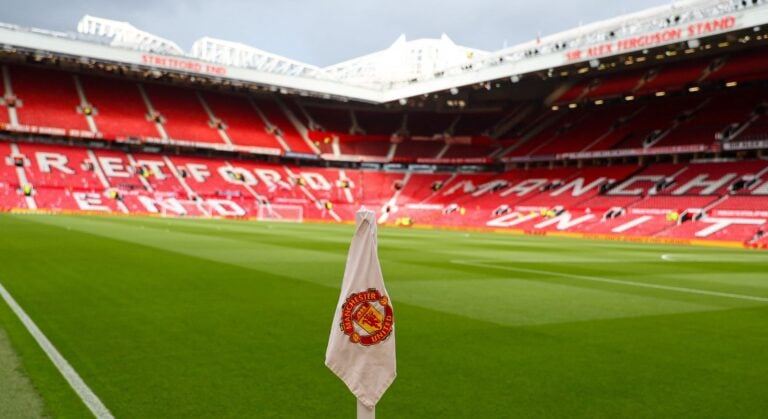
Manchester United at newly promoted Hull City on the opening weekend looked exactly like the type of fixture players circle at the start of these competitions. Liverpool at Anfield, to Nottingham Forest in week two, appeared to be another shoo-in, yet neither team delivered the desired win!
In Final One Standing, there are no consolation points. A draw sends you packing just as quickly as a defeat. And for many players, one of those results may already have ended the dream of winning the £250,000 Jackpot—but elimination does not mean your Final One Standing dream is over.
Now, you have another opportunity to win big! A new £20,000 Jackpot awaits the player who can outlast everyone else—and you will not be starting from zero.
We have competitive Premier League evidence to evaluate. We have seen new managers’ systems in action, summer signings introduced, and promoted clubs tested against top-flight opposition. In some respects, making your selections now could be easier than it was in Gameweek One.
Below is your essential guide as you begin your pursuit of the £20,000 Final One Standing Jackpot. From analysing the data and planning ahead to monitoring injuries, squad depth, and European commitments, these are the details that could give you an edge over the field.
Reassess Squads After the Transfer Window
The summer transfer window has slammed shut, and the Premier League picture is much clearer.
Successfully navigating the opening weeks is tricky. Teams begin the season as deals are still being negotiated — players arrive… and leave — while starting line-ups can vary greatly from one weekend to the next. Now is the time to examine how the final days of the summer transfer window have affected each squad.
Look beyond which team has spent the most money or signed the biggest names. Ask whether managers have genuinely addressed their weaknesses and how their new additions could change the way they play.
Could the acquisition of a striker improve shot conversion rates, or does a new addition to the backline help tighten the defence? Conversely, losing an influential player late in the window could leave a squad considerably weaker than the one that began the campaign.
Transfer business should not be judged by reputation alone: context matters!
There are no Guarantees
Liverpool and Manchester United served as a timely reminder that the badge alone cannot guarantee safe passage to the next round. Both teams began the campaign with high hopes, despite underlying data issues suggesting they might be more vulnerable than their reputations implied.
Since Michael Carrick took charge, United have performed above their expected points, the highest figure in the Premier League, while the Reds’ underlying numbers have declined rapidly since winning the title. Liverpool’s attacking output has fallen, while their defensive metrics suggest opponents are finding it easier to score.
These are precisely the trends Final One Standing players should be looking for. It is easy to be swayed by a winning run, a strong league position or the reputation attached to one of the country’s biggest clubs. Look beyond these, and ask whether performances genuinely justify the confidence, because sometimes, the numbers will reveal a side is far more vulnerable than the headlines suggest…
Map Your Route
Open the fixture schedule and look beyond the immediate round of games.
One of the biggest mistakes in Final One Standing is treating every round in isolation. Finding a winner is the immediate objective, but every team you select is then removed from your available options. That choice could make future rounds considerably harder.
Final One Standing is therefore as much a game of resource management as it is a football prediction. Selecting a slightly less fashionable team in an earlier round could preserve one of the stronger sides for a week when reliable alternatives are much harder to find.
The schedule can also reveal potential danger points. Look for weekends featuring several matches between leading teams, difficult away trips or fixtures squeezed between European and domestic cup commitments. These may become the toughest rounds to navigate. Preserving strong options for them could prove invaluable.
Let Long-Term Trends Guide You
The beauty of this game: the longer you survive, the more evidence you have available!
After two matches, sample sizes remain small. After six, eight or ten, meaningful trends begin to emerge. That is when the underlying numbers can become one of your biggest advantages.
Expected goals can indicate whether a team is consistently creating enough high-quality chances to sustain its results. Meanwhile, expected goals against may expose teams whose defensive record is stronger than their performances justify and therefore unlikely to last.
Set-pieces are another integral part of the game. Clubs now invest heavily in recruiting specialist coaches, as corners and free kicks can become a reliable source of goals.
At the opposite end, poor set-piece defending leaves a team vulnerable… and these are the small gains that become increasingly valuable when you are trying to separate several strong Final One Standing options. Prioritise sustained trends over isolated performances. One outstanding result can mislead, while a consistent pattern is much harder to ignore.
Keep a Close Eye on Team News
Injuries are part and parcel of football, and player absence can completely change the complexion of a fixture, making this one of the most important factors to check before confirming your selection.
The obvious focus tends to fall on attackers. However, depending on squad size and depth, high-status, influential squad members are positioned across the pitch, and the absence of a single player can disrupt the whole team and force a tactical shift.
Losing a key centre-back does not simply mean replacing one player. It can affect the entire defensive structure: partnerships change, communication suffers, and those around may be required to take on different roles.
Selections should never be made early in the week and forgotten. Continue checking injury reports, follow managers’ press conferences and assess the likely starting line-ups before making your final decision.
Give Yourself the Best Chance
Final One Standing will always contain an element of unpredictability. Short-priced favourites will drop points, injuries will alter fixtures, and teams will perform far above—or below—expectations.
You cannot remove that element of uncertainty, but you can minimise the risk by ensuring your choices are based on the best information available. Plan several rounds ahead, follow the underlying numbers, monitor team news and continually reassess your strategy as the season develops.
Whether you are new to Final One Standing, looking to bounce back after falling in the main game, or simply trying to maximise your returns in the £20k game.
You have another chance to take on the field—and this time, the opening weeks have provided valuable clues. Use them wisely, make every selection count and give yourself the best possible chance of being the Final One Standing.