Wimbledon
Wimbledon’s 8mm Grass Obsession: Why Length Matters on Centre Court
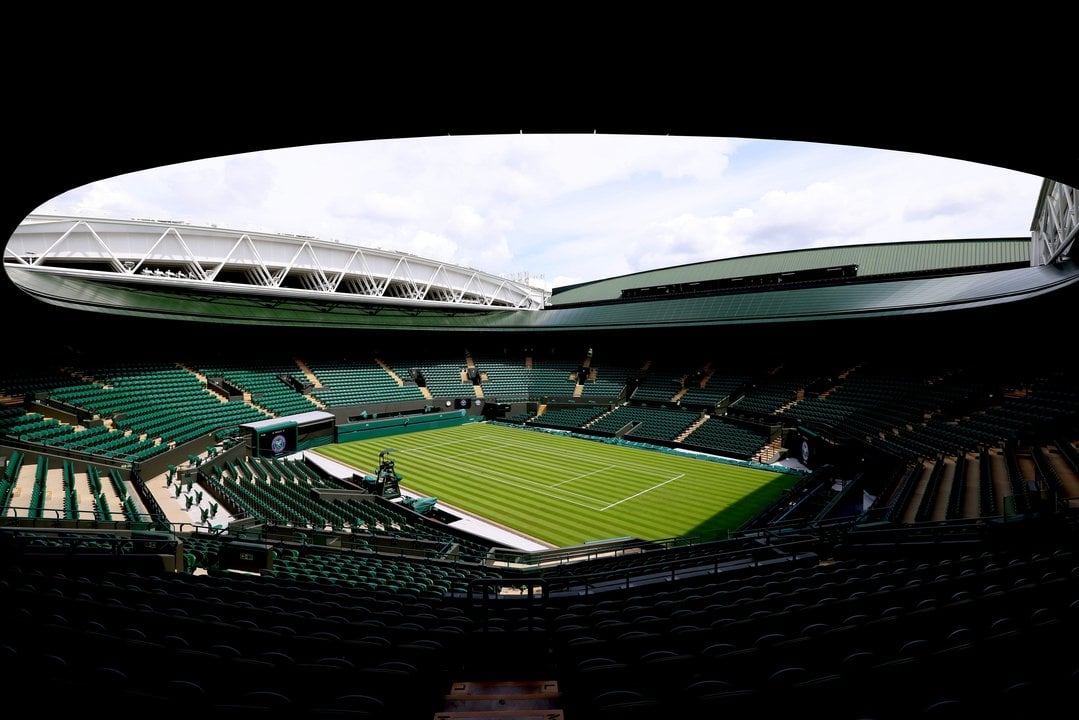


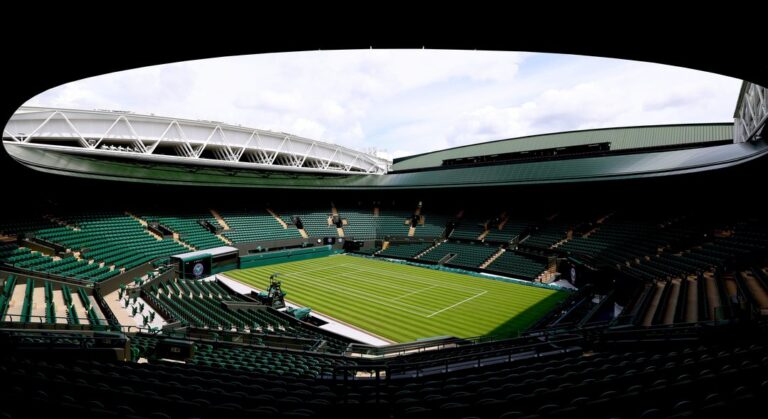
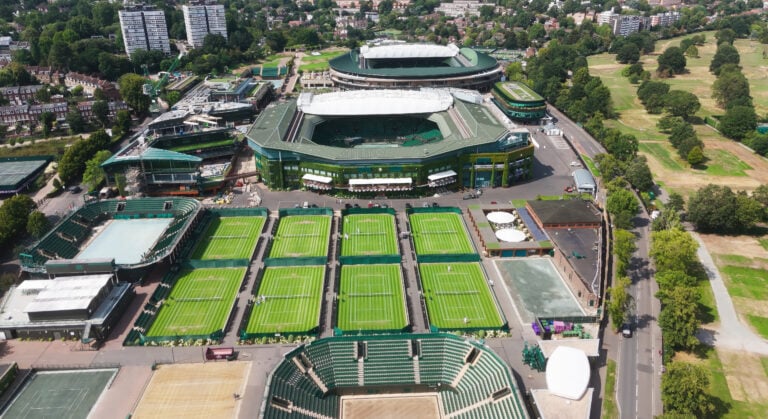
Wimbledon cuts its grass to 8mm because that height is the sweet spot between playability and survival and William Hill News explain why that is the optimum length for play.
The All England Club says the courts need to stay firm, durable, and consistent through two weeks of heavy use, and 8mm has been the standard since 1995 – so that will remain the case at Wimbledon 2026 this summer.
Why is Wimbledon obsessed with 8mm grass?
Wimbledon’s grass height is a science job, not a vibes job. The courts take huge wear during The Championships, so the grounds team trims the surface to 8mm to keep the grass alive while preserving the way the court plays.
That obsession comes from the fact that Wimbledon is the only Grand Slam still played on grass, which makes every detail matter more than it does on hard court or clay.[2] The club also needs the surface to hold up for 14 days of play without damaging the sub-surface.
Why is 8mm grass seen as the best height?
Eight millimetres is the height Wimbledon says is optimal for present-day play and survival. It is short enough to keep the court fast and consistent, but not so short that the grass fails under the pounding of elite tennis.
This way, across the Grand Slam, players compete on a level surface, allowing the talents of the Wimbledon favourites to shine without worry of a degrading or misbehaving court.
The court’s perceived speed is affected by more than just the cut. Weather, soil compaction, and the firmness of the surface all change how the ball behaves, so 8mm is the chosen baseline rather than a magic number that works in every condition.
What type of grass does Wimbledon use?
Wimbledon courts are sown with 100% perennial ryegrass, a change that has been in place since 2001. Before that, the mix was 70% ryegrass and 30% creeping red fescue.
The switch was made to improve durability and strengthen the sward so it could cope better with the modern game, which asks more of the surface than older, slower styles of tennis did.
Thanks to sports science, the frontrunners of the ladies’ singles outright market can push harder, requiring more of the surface than before.
When did Wimbledon first start cutting its courts to 8mm?
Wimbledon first moved to an 8mm cut in 1995. That has remained the playing height ever since, with the grass kept at that level throughout The Championships.
The courts are cut daily during the tournament to hold that height steady, and the lines are remarked every day as part of the same routine maintenance. It is a small number on a measuring stick, but it shapes the whole event.
How does grass length and type affect the tennis?
Grass length changes how much grip the ball gets on the surface. Shorter grass and a firmer court usually mean a lower, quicker skid off the bounce, while longer or softer conditions can slow things down and raise the bounce.
The type of grass matters too. Perennial ryegrass is more durable than the older mix, and Wimbledon’s experts chose it because it helps the courts stand up to wear without changing the court’s perceived pace.
Weather still has a say. A cold, damp day makes the ball feel heavier, while warm, dry conditions make it seem lighter. The ball’s bounce is driven largely by the soil rather than the grass itself.
How do the Wimbledon courts play?
Wimbledon courts play fast, low, and awkward in the best possible way for a grass specialist. It’s why favourites in the men’s Wimbledon betting, for example, aren’t necessarily primed for success on clay courts.
The ball skids more than it jumps, which gives returning players less time to react and rewards sharp movement, clean timing, and brave first-strike tennis.
That speed changes the physical demands of a match. Grass points can be explosive, but the surface also punishes hesitation, so players need quick feet, balance on the slide, and enough stamina to repeat those short bursts over and over while the surface gets worn down.
Grass also changes tactics. It has traditionally favoured aggressive serve-and-volley tennis, while clay rewards patience and hard courts sit somewhere in the middle. Wimbledon has evolved as rackets, fitness, and returning ability have improved, but the surface still asks for a more attacking mindset than the other Grand Slams.
The result is a court that can feel slippery, quick, and unforgiving all at once. Flat shoes are used to limit damage to the surface, and the ground staff still have to keep measuring wear, hardness, and rebound throughout the fortnight.
The whole thing is a proper balancing act: enough grip for elite tennis, enough speed for Wimbledon’s identity, and enough resilience for the grass to survive the biggest two weeks in the sport.
*Odds subject to change – prices accurate at the time of writing*